HRV gets talked about a lot — often like it’s a performance score.
It isn’t.
HRV (heart rate variability) is the variation in time between heartbeats. In simple terms, it’s one marker of how adaptable the nervous system is — how well the body shifts between demand and recovery.
Higher HRV often reflects more flexibility. Lower HRV often reflects reduced adaptability. That’s it. It’s information, not a verdict.
In high-output women, low HRV is common — not because the body is “weak”, but because it’s been spending too long in demand mode.
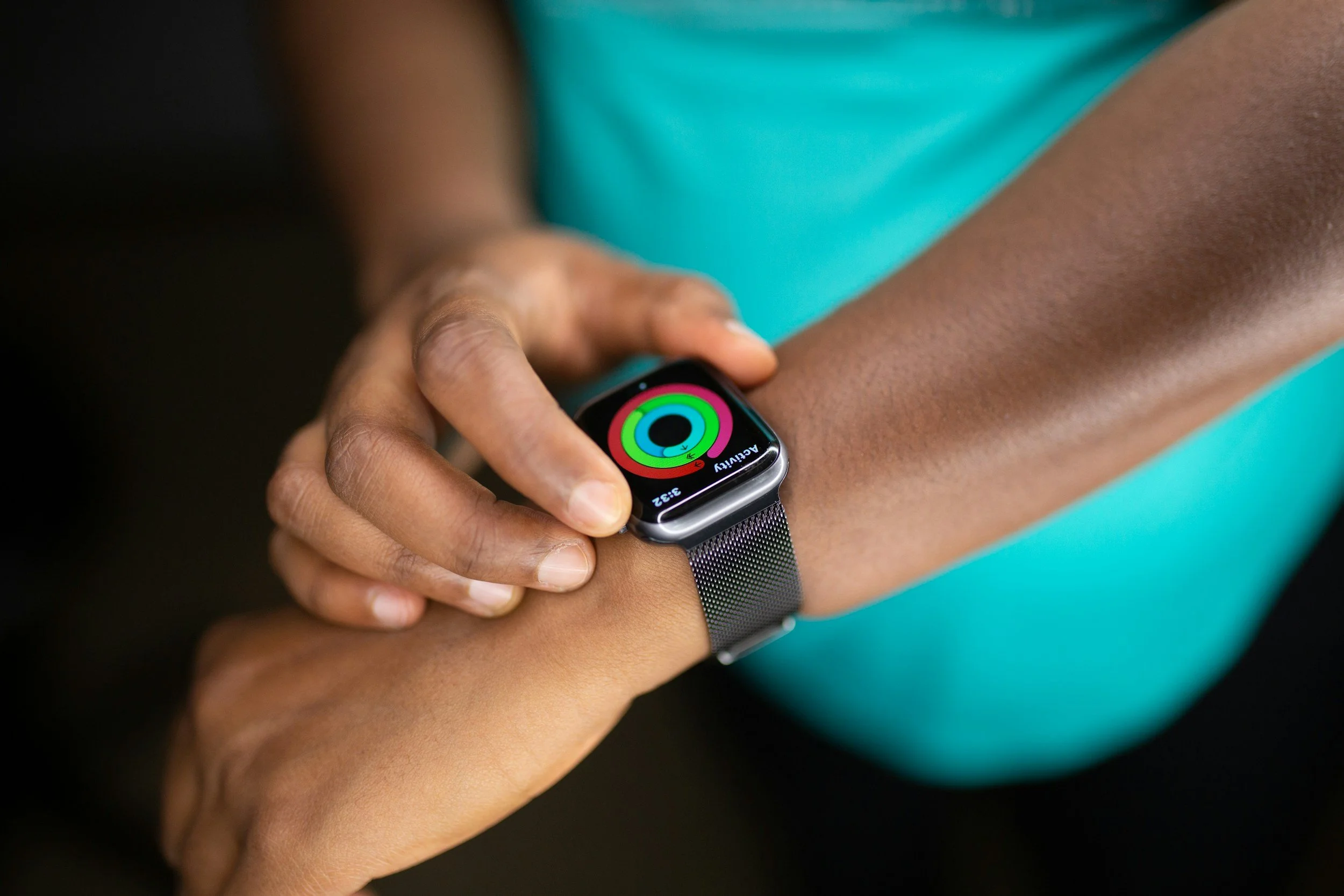

What HRV is (and what it isn’t)
- HRV is: a signal of nervous system flexibility and recovery capacity.
- HRV is not: a measure of worth, discipline, fitness, or toughness.
- HRV is not: something to “hack” aggressively when the system is already depleted.
What can lower HRV (common, non-dramatic reasons)
- poor or broken sleep (including 2–3am waking)
- high training load without recovery
- chronic stress / high cognitive load
- under-fuelling or unstable blood sugar
- alcohol (even “just one” can shift HRV)
- illness, inflammation, pain
- cycle and hormone shifts
HRV is influenced by context. The value matters less than the pattern.
How to interpret HRV (without obsessing)
HRV is most useful when it’s used as a trend, not a daily judgement.
Look at trends
- Downward trend across weeks can signal recovery debt building.
- Sudden drop can reflect sleep disruption, illness, alcohol, or intense stress.
- Upward trend often appears when sleep rhythm and regulation improve.
Cross-check it with real life
HRV is most meaningful when it matches symptoms:
- wired but tired pattern
- 3pm crash
- digestive flares in stress weeks
- light sleep and night waking
Behind the scenes: what I’m looking for
- Is HRV low because recovery is genuinely low — or because life load is high?
- Is the person under-eating and over-caffeinating?
- Is there hidden sleep disruption being normalised?
- Is training load exceeding nervous system capacity right now?
Myth to drop
Myth: “If fitness is good, HRV should always be high.”
Reality: Fitness and regulation are related but not identical. A fit body can still be overdriven and under-recovered.

Three levers that reliably support HRV (no extremes required)
1) Sleep rhythm first
HRV often improves when sleep becomes deeper and more consistent. Not longer, necessarily — more stable.
2) Fuel like recovery matters
Under-fuelling is a common driver of low HRV in high-output women. Protein at breakfast and a steady meal rhythm can make a bigger difference than expected.
3) Micro-regulation between tasks
One minute counts. A simple pattern: 3 slow nasal breaths, longer exhale than inhale, between meetings or before eating.
A note on cold exposure
Cold plunges can be useful for some people — but in already-stressed systems, intense cold can act as another stressor. If HRV is low and sleep is broken, start with warmth, rhythm and recovery first.
FAQs
Should HRV be tracked daily?
Daily data is fine if it stays neutral. If it creates pressure or self-judgement, weekly trends are enough.
How long does it take to improve HRV?
Some people see changes within 2–4 weeks when sleep and recovery stabilise. If stress load is intense or symptoms are layered, it can take longer.
Is low HRV dangerous?
On its own, HRV is not a diagnosis. It’s a signal. It becomes useful when interpreted alongside symptoms, sleep, load and overall health context.
What if HRV is low but energy feels okay?
That can happen — especially in “high-drive” physiology. It may still be a sign recovery is being borrowed from the future. Trends matter more than one day.
Want help interpreting the patterns?
If HRV, sleep and energy patterns suggest the nervous system is overdriven, personalised support can help restore regulation without adding more complexity.
Question: does HRV drop correlate more with sleep disruption, stress weeks, or training load?