When Meditation Doesn’t Work (and what to do instead)
Myth: Meditation works for everyone — and if it doesn’t, it means a lack of discipline.
Reality: Sometimes meditation feels worse because the nervous system is too activated for stillness to feel safe.
If sitting quietly makes the mind louder, the body twitchy, or the chest tight, that is not “doing it wrong”. It’s a signal that the system needs a different entry point.
Think of it like this: a high-output nervous system can’t always go from full speed to stillness on command. Sometimes it needs a bridge.

Why meditation can feel impossible (in plain language)
When the nervous system is in a hyper-aroused state, stillness can remove distractions — and the body suddenly becomes aware of everything it has been overriding.
Common “hyper-arousal” clues include:
- racing thoughts as soon as sitting still
- restlessness, fidgeting, agitation
- tight jaw, shallow breathing, tension headaches
- difficulty switching off at night
- digestive flares during stressful weeks
In this state, the goal isn’t “calm” as a mindset. The goal is regulation — a measurable shift in the body from alert to safe.
What to do instead (a better ladder than forcing stillness)
Instead of starting with silent sitting, start with a regulation ladder. Trial each level for 5–7 days and move up when it feels easier.
Level 1: Move first, then breathe
- 2–5 minute walk
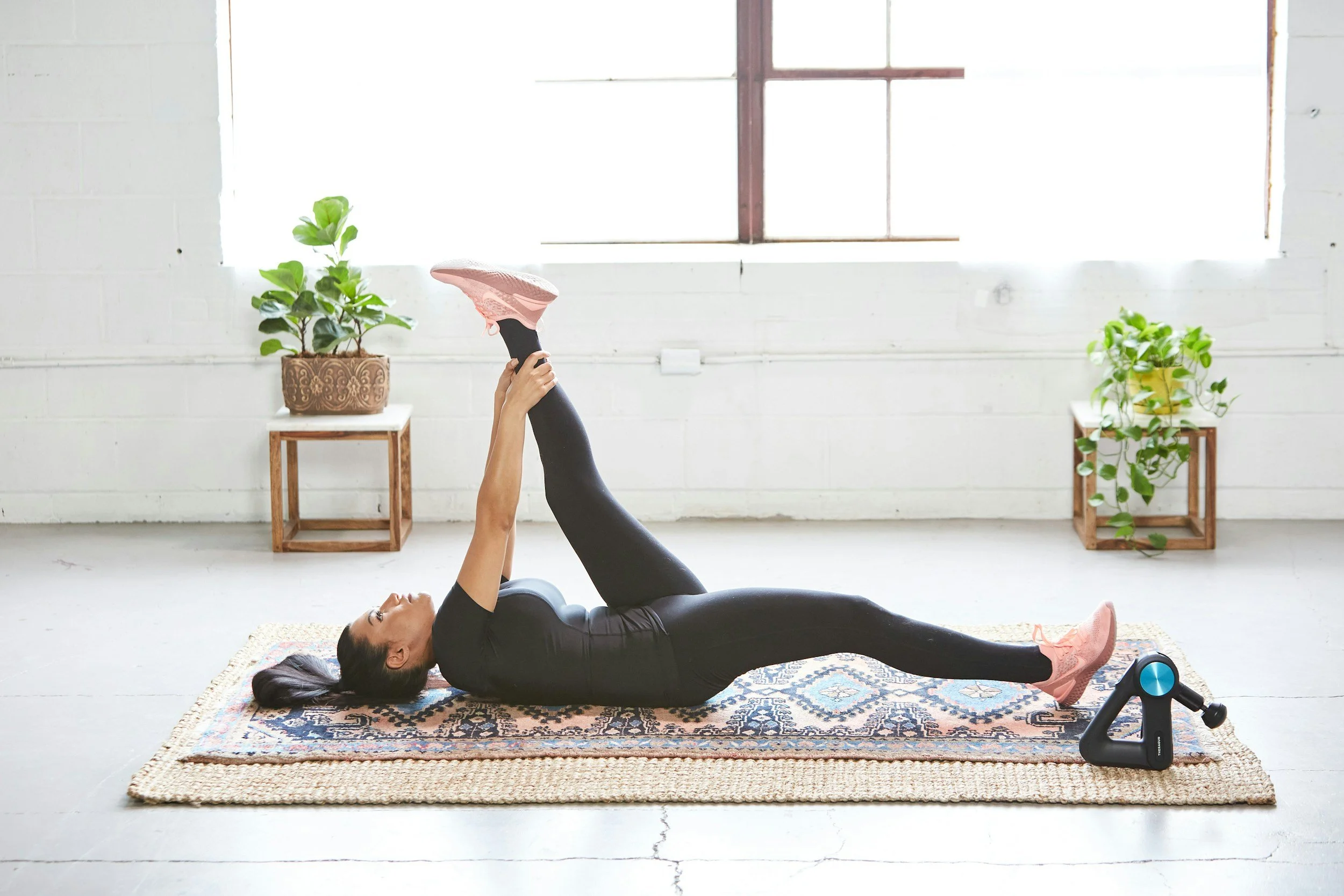
- gentle stretching
- shaking out arms/legs
Then: 3 slow nasal breaths, longer exhale than inhale.
Level 2: External focus before internal focus
Try a guided body scan, music, or a “look at one point” grounding practice. This gives the system a safe anchor.
Level 3: Micro-meditation (60 seconds)
One minute counts. Consistency matters more than duration when the system is recovering.
Level 4: Stillness (when it’s ready)
Quiet sitting works best once the nervous system has learned downshift cues again.

Try this tonight (simple and realistic)
- Before bed: 5 minutes gentle stretch + dim lights.
- During the day: 60-second micro-reset between tasks (3 nasal breaths).
- Food anchor: protein at breakfast to reduce stress-driven glucose swings.
FAQs
Can meditation make anxiety worse?
It can in hyper-aroused systems because stillness removes distractions and the body feels everything it has been overriding. Starting with movement-based regulation often works better first.
Should meditation be stopped completely?
Not necessarily. It may just need a different entry point. Micro-practices, guided support and movement first can build tolerance for stillness again.
How long until it feels easier?
Some people feel a shift within 1–2 weeks when they choose the right level on the ladder. If sleep, gut symptoms or stress load are significant, it can take longer and benefit from a plan.
Is this “just stress”?
Stress is not just a feeling — it’s biology. When the nervous system is overloaded, regulation often needs practical inputs, not more pressure.
Want a plan that fits real life?
If the nervous system feels stuck in “on”, personalised support can help identify the drivers and build capacity without adding overwhelm.
Question: does stillness increase restlessness, racing thoughts, or a tight chest?