Protein: The Mid‑Life Powerhouse Nutrient (And How to Get Enough)
Why This Matters Now
If you feel wired‑and‑tired, catch every winter cold, or notice your muscles shrinking faster than your wardrobe, one silent saboteur could be under‑eaten protein. After 40, our need for quality protein increases even as many women start eating less of it.
Why Protein Is Critical in Mid‑Life
| Function | How protein helps |
|---|---|
| Mood regulation | Amino acids (tryptophan, tyrosine) build neurotransmitters like serotonin and dopamine. |
| Brain clarity | Drives focus, memory and mental agility. |
| Stable energy | Slows blood‑sugar spikes → fewer afternoon crashes. |
| Muscle maintenance | Preserves strength, posture and balance. |
| Immune defence | Antibodies and enzymes are protein‑based. |
| Hormone production | Needed for insulin, thyroid and sex hormones. |
| Liver detoxification | Phase II detox pathways rely on amino acids. |
Clinician note: When blood tests reveal low total protein or elevated urea, it often signals the body is cannibalising muscle tissue to meet basic needs — an expensive energy loan you eventually have to repay
How Much Do You Actually Need?
A helpful starting point is about 30 g of protein at each main meal — roughly a palm‑sized serve for most women. Taller, highly active or recovering clients may need more; a personalised plan fine‑tunes this number.
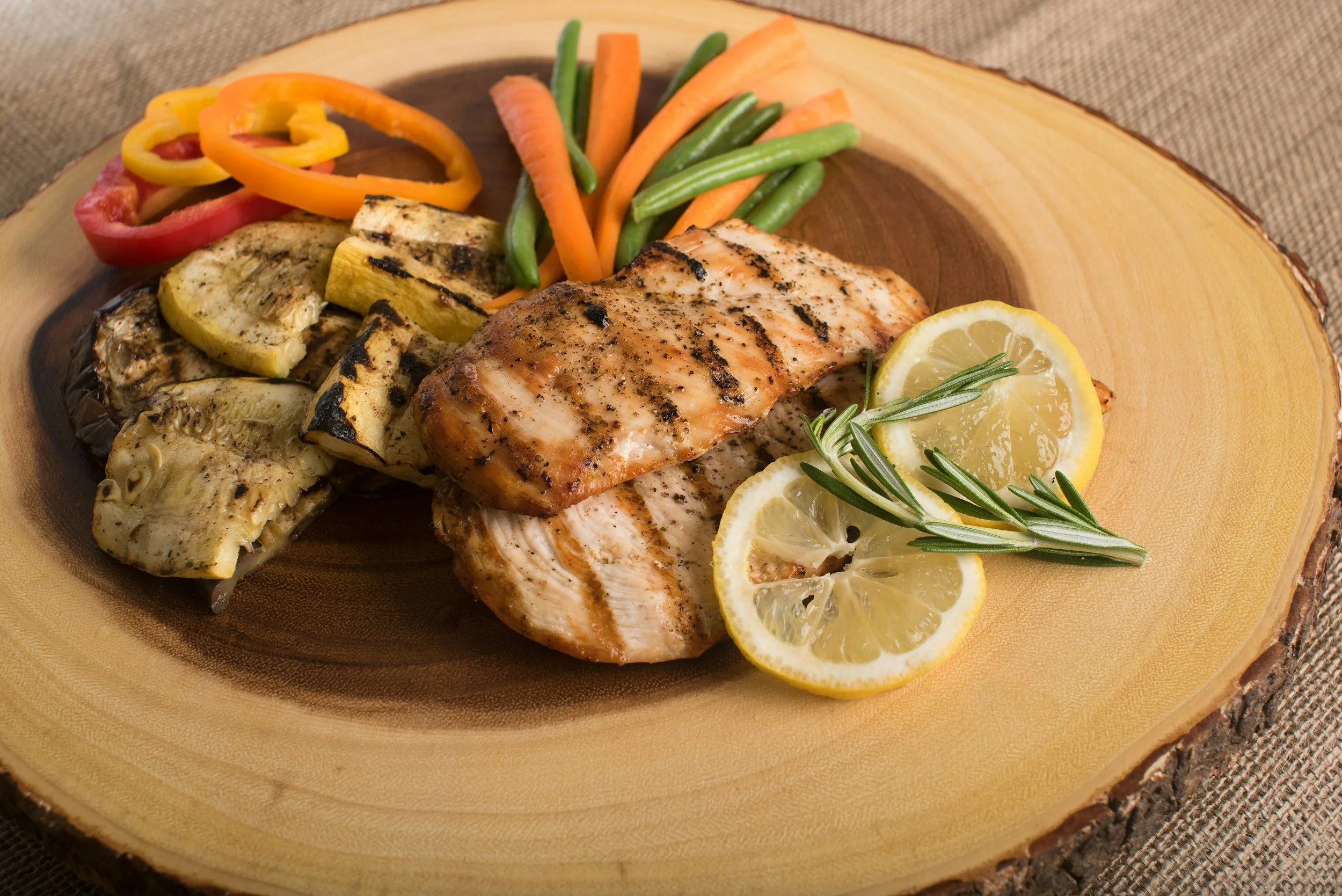
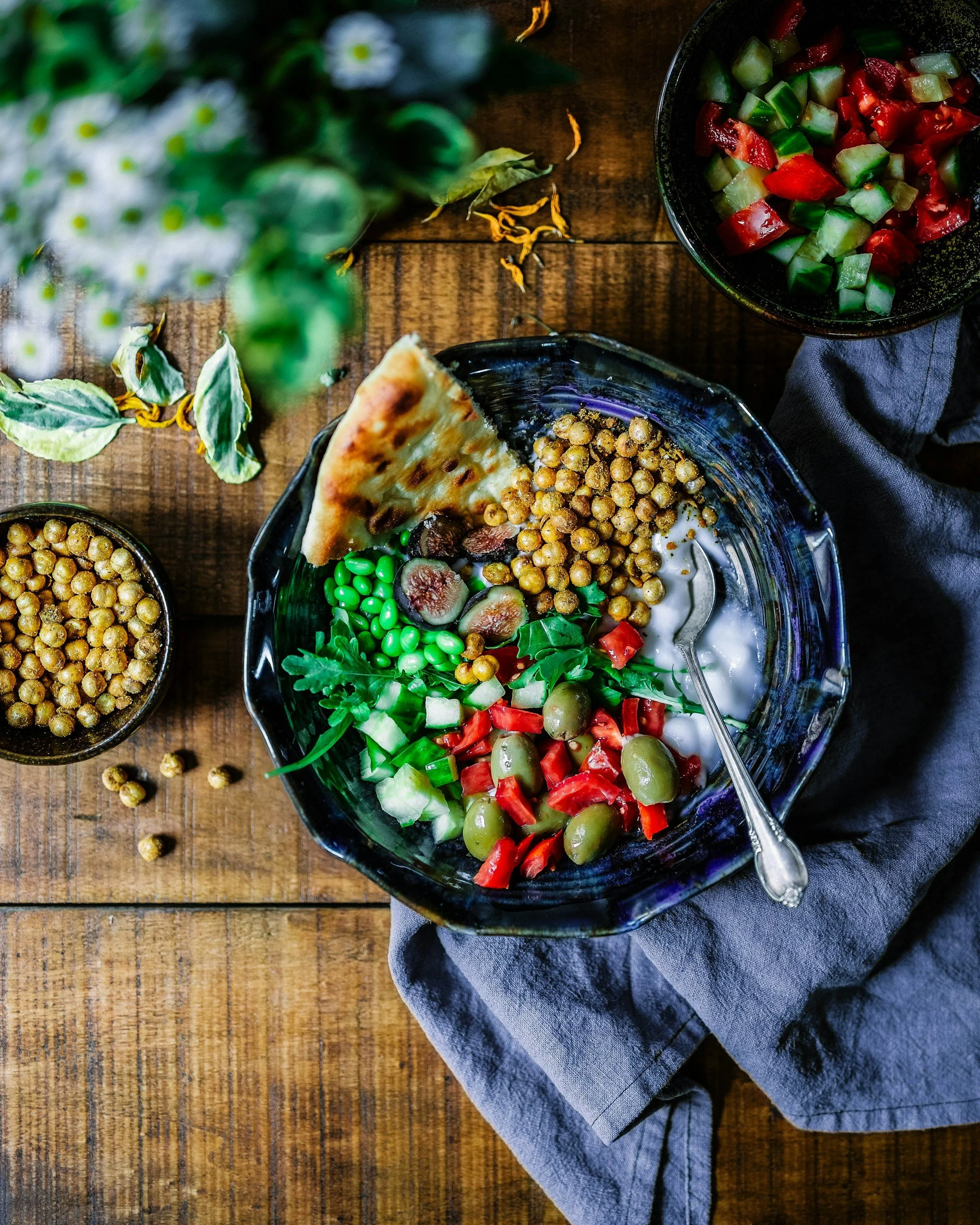
What 30 g of Protein Looks Like
Omnivore
150 g cooked chicken, beef, lamb, turkey or fish
4 large eggs
1 cup Greek yoghurt + 1 scoop (25 g) clean whey protein
100 g cooked salmon + 1 boiled egg
Vegetarian
2 eggs + 100 g cottage cheese
1 cup cooked quinoa + 1 cup lentils + ½ cup cottage cheese
200 g firm tofu + 1 Tbsp tahini
Vegan
1 cup cooked lentils + 1 cup cooked quinoa + 2 Tbsp hemp seeds
1 cup chickpeas + ½ cup cooked amaranth + 1 Tbsp chia seeds
Protein smoothie: 1 scoop pea or brown‑rice protein + oat milk + nut butter
(Plant proteins often need to be combined for a full amino‑acid profile — variety is key.)
Common Barriers & Gentle Solutions
| Barrier | Gentle workaround |
|---|---|
| “I get bloated.” | Start with half serves, add digestive bitters or ginger tea, and chew thoroughly. |
| “Protein is pricey.” | Buy in bulk, cook once – eat twice, use tinned fish, lentils and eggs. |
| “Won’t protein make me bulky?” | Strength, not bulk, is the goal; excess calories — not protein — drive fat gain. |
| “I’m plant‑based.” | Use the vegan template above and consider a quality B12 and iron check. |
Quick Tips to Hit Your Target
Add two eggs to breakfast — or fold last night’s roast chicken into lunch.
Blend a protein smoothie for a fast, blood‑sugar‑friendly snack.
Pair legumes and whole grains for complete plant protein.
Sprinkle seeds, nuts or tempeh over salads and bowls.
Use a clean, additive‑free protein powder when food alone falls short.
Disclaimer: This content is for educational purposes only and is not a substitute for personalised medical advice. Always consult a qualified health professional before making major dietary changes. Kerry is an ANTA‑registered naturopath working within the Australian National Therapists Association's Scope of Practice.